
Lawn care and seasonal maintenance
Weekly cutting, spring and fall feeding, aeration and weed control on a set schedule from April to November.
Weeding, edging, mulch, perennial care and the rebuild of a bed that has outgrown its space.
A garden bed looks after itself for about four years and then quietly stops. The shrubs meet, the perennials crowd each other out, the mulch breaks down into soil, the edge migrates into the lawn, and what was a planting scheme becomes a thicket with weeds in it. Maintenance holds that off. Renewal fixes it once it has happened.
What routine bed maintenance covers. Hand weeding, which is most of the job and why bed work is priced by the hour. Edge re-cut to a spade line. Mulch topped up to 50 to 75 mm, pulled back off shrub crowns and tree trunks. Perennials divided when they go hollow in the centre. Deadheading through summer, spent annuals lifted, and self-seeded maples and buckthorn pulled while they are still small.
Why the mulch depth matters more than the mulch type. Mulch works by blocking light and holding moisture, and 50 to 75 mm does that. A 150 mm layer, which is what five years of annual top-ups with nothing removed produces, stops water reaching the soil, holds it against bark and starves roots of air. If a bed has built up, old material comes off before new goes on. A contractor who only ever adds is storing up a problem.
Weeds, and the narrow legal toolkit. Ontario's cosmetic pesticide ban permits only Class D products and Allowable List active ingredients for lawn and garden use (Ontario), and applying a pesticide for hire needs an exterminator licence with an operator licence behind it (Ontario). In a bed that leaves hand weeding, mulch depth and dense planting. Landscape fabric is worth a word because it is so often sold: it works for two or three years, then weeds root in the decomposed mulch above it and the fabric makes them harder to pull.
Renewing a bed, step by step. Decide what stays, remembering that a shrub at twice its intended size can sometimes be reduced over two seasons and sometimes cannot, depending on species. Lift and divide the perennials worth keeping. Remove the excess mulch and any fabric. Fork compost into the top 150 mm, because a decade of mulching leaves organic matter on top and compacted soil underneath. Replant with the mature size in mind rather than the nursery pot size, which is the commonest mistake in a suburban bed. Then re-cut the edge and mulch to depth.
Before you dig, even here. A bed rebuild involves digging, and a locate request through Ontario One Call is free, legally required and has to go in at least five business days ahead, with instructions from each buried infrastructure owner that may include hand digging within a metre of the markings (Ontario One Call). Foundation beds are where gas services and irrigation lines run.
The tree constraint that catches people. Where a bed sits under a mature tree, the City sets the critical root zone at 10 cm of radius for every 1 cm of trunk diameter, so a 40 cm trunk has a 4 m protected radius you cannot dig inside without Forestry Services approval (City of Ottawa). That rules out rototilling round a Beaverbrook maple, and makes the honest version of that job hand work with compost spread on the surface.
Timing. Spring bed work waits for dry ground, which in Kanata means mid April to early May. Divide late-flowering perennials in spring and spring-flowering ones in early autumn. Mulch goes on after the soil has warmed. A full renewal is best in September, when the soil is warm, rain is reliable and roots still have time to establish.
How long it takes. Routine maintenance is one to three hours a visit, usually monthly. Renewing one overgrown foundation bed takes a two-person crew most of a day, and a whole property of mature beds two to four days.
What it costs in Ottawa in 2026. Indicative ranges rather than quotes. Monthly bed maintenance is commonly $100 to $200 a visit. Mulch supplied and spread is often $90 to $160 per cubic metre, and a suburban front bed takes one to two. Edging is often $4 to $10 per linear metre. Renewing one overgrown foundation bed, with plant removal, soil amendment and mulch but no new plants, runs $600 to $1,800. What moves the number: weed pressure, material carted out, rear-yard access, and whether a mature tree limits what can be dug.
What is different about Kanata beds. Browsing, first. Many of these subdivisions back onto the Greenbelt or farmland, and deer and rabbits eat tulips, hostas, yew and cedar all winter under snow, so plant selection is a different conversation here. Second, ground: beds on thin soil over limestone want drought-tolerant planting, while beds on marine clay stay wet in spring and rot crowns (NRC). Third, salt along the driveway and the arterials, which shows as scorch in May.
Licences and credentials. None exist for garden work in Ontario, and landscaping is not among the 23 compulsory trades (Skilled Trades Ontario). Insurance and a WSIB clearance number, valid up to 90 days, are the checks worth making (WSIB).
What to ask before you hire. Is this hourly or a flat monthly price, and how many hours. Is mulch included, and at what depth. Are you removing old mulch or adding to it. How often will somebody weed. Will you divide the perennials or just cut them back. Does a mature tree's root zone limit what you can dig. Who calls the locate. Ask about mulch depth, because it is the cheapest thing to get wrong and the dearest to undo.
Free written quote. We call back the same business day.
Lawn care, sod, hedge trimming, garden beds, interlock upkeep, seasonal clean-ups and snow contracts in Kanata, and the rules that apply first.
Weekly cutting, spring and fall feeding, aeration and weed control on a set schedule from April to November.

New sod, patch repairs and overseeding, with the grading and drainage sorted out before the turf goes down.

Cedar hedges, foundation shrubs and small ornamental trees cut back on the right schedule, inside the City's tree rules.
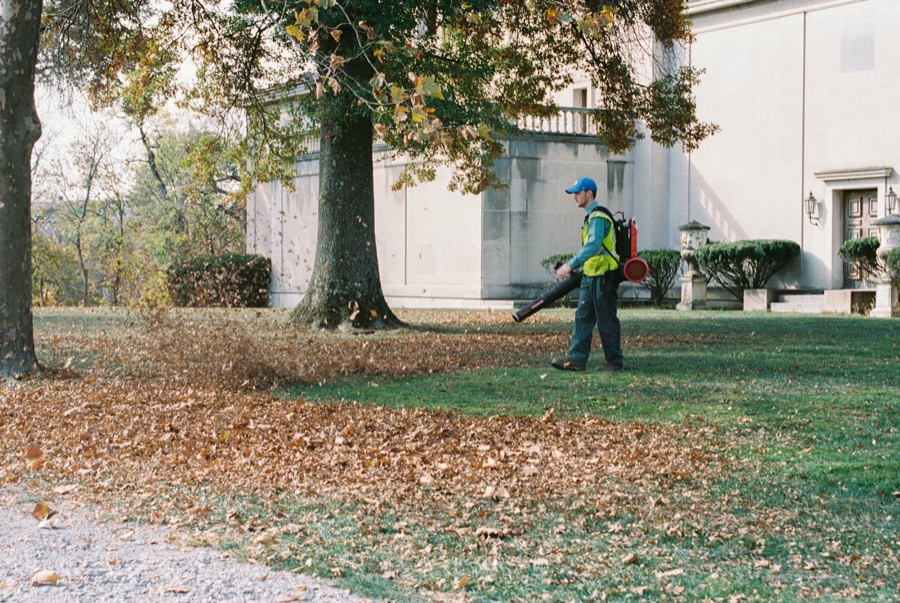
The two visits that bracket the season: winter damage cleared in April, leaves and beds put to bed in October.
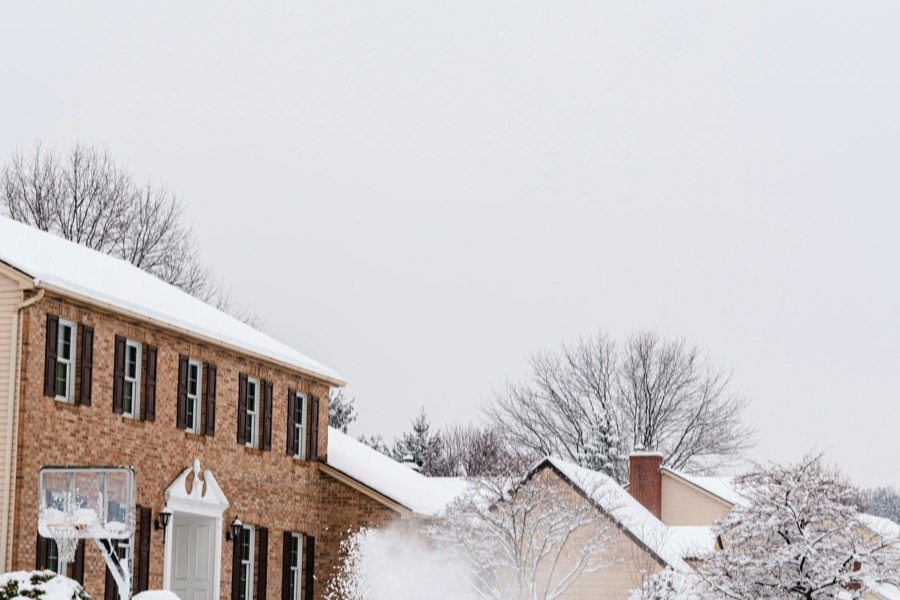
Seasonal driveway and walkway contracts for Kanata homes and small commercial sites, and how to read one before you sign.
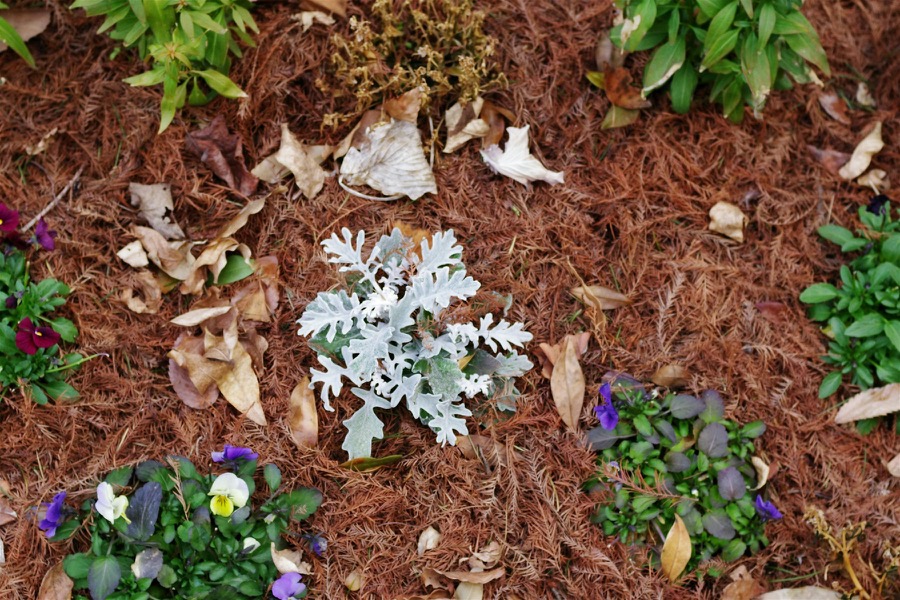
Weeding, edging, mulch, perennial care and the rebuild of a bed that has outgrown its space.

Joint sand, weeds and ants, sealing and the small frost-heave repairs that keep an existing paved surface serviceable.